

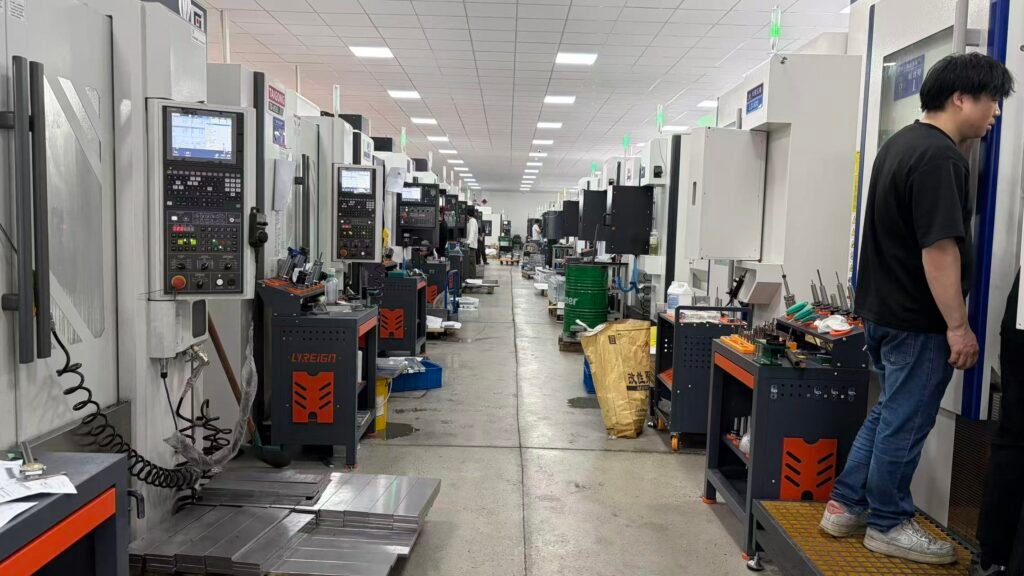
Introduction: Quality Starts Before Machining
In precision manufacturing, producing a CNC machined part is not only about removing material from a metal block.
A high-quality component requires a complete manufacturing control system, starting from raw material verification and continuing through machining, inspection, and final shipment.
For industries such as automation equipment, semiconductor equipment, oil & gas, and industrial machinery, even a small dimensional deviation can affect assembly performance and final product reliability.
At our CNC machining facility, we focus on controlling every important step to ensure that each part meets customer drawings, specifications, and quality requirements.
Raw Material Inspection: The First Step of Quality Control
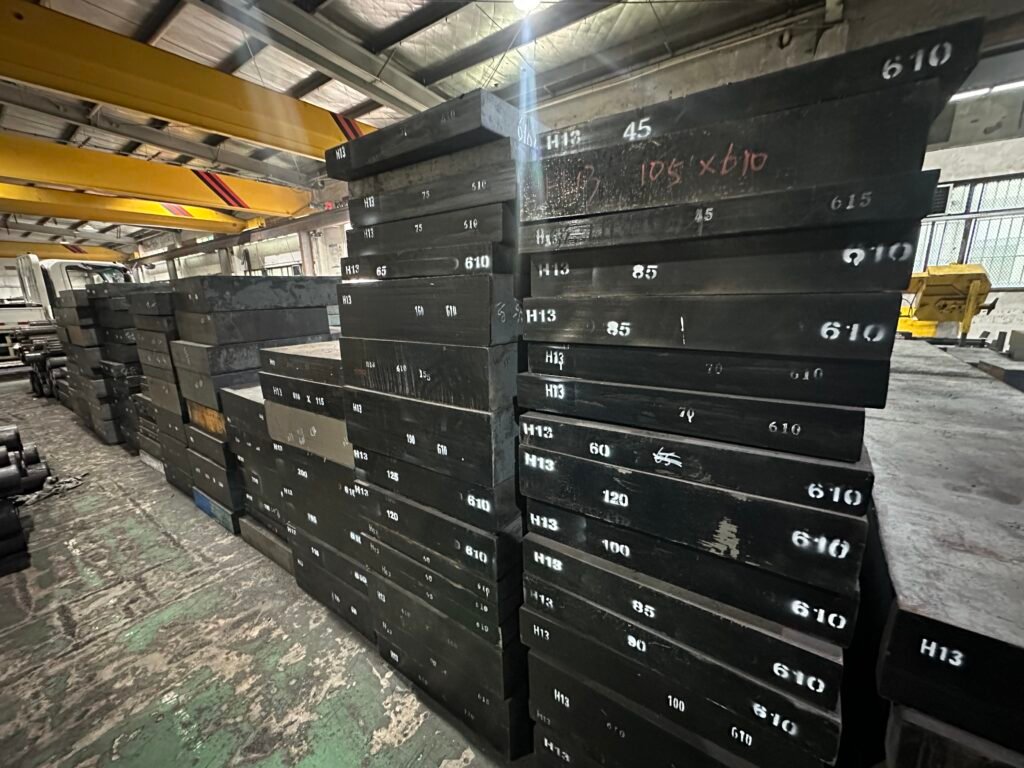
Before machining begins, the quality of the final component is already influenced by the raw material.
We verify incoming materials according to customer requirements, including:
- Material grade confirmation
- Material specification checking
- Surface condition inspection
- Material certificate verification when required
Using the correct material is critical.
For example, different aluminum alloys may look similar, but their mechanical properties can be completely different. Incorrect material selection may cause failure even when all machining dimensions are correct.
Engineering Review and CNC Process Planning
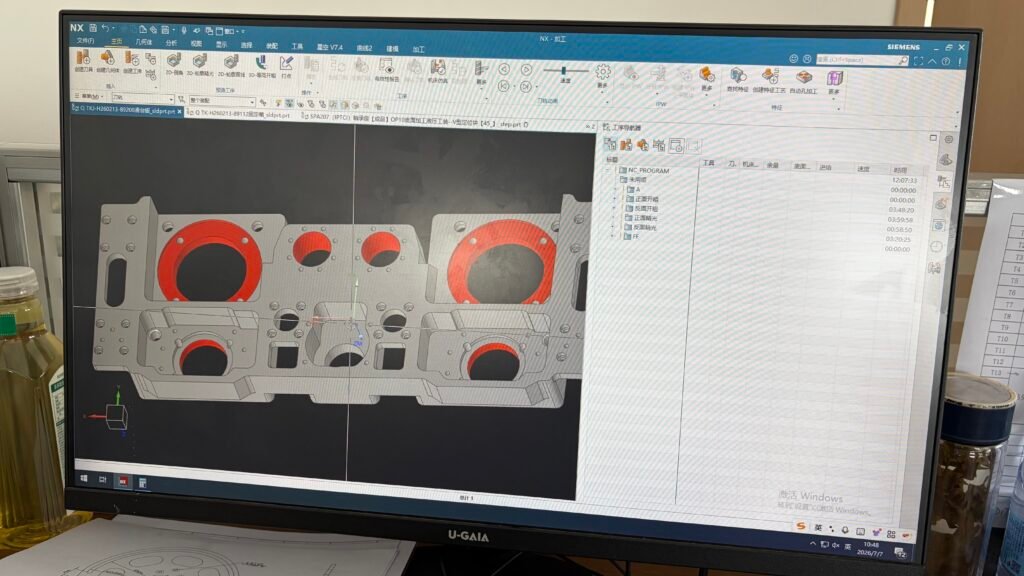
Before production, our engineering team reviews:
- Part drawings
- Tolerance requirements
- Material requirements
- Surface finishing requirements
- Machining feasibility
Based on the part structure, we select suitable manufacturing methods:
- 3-axis CNC machining
- 4-axis CNC machining
- 5-axis CNC machining
For complex components, multi-axis machining helps reduce multiple setups and improves machining accuracy and consistency.
Precision CNC Machining Process
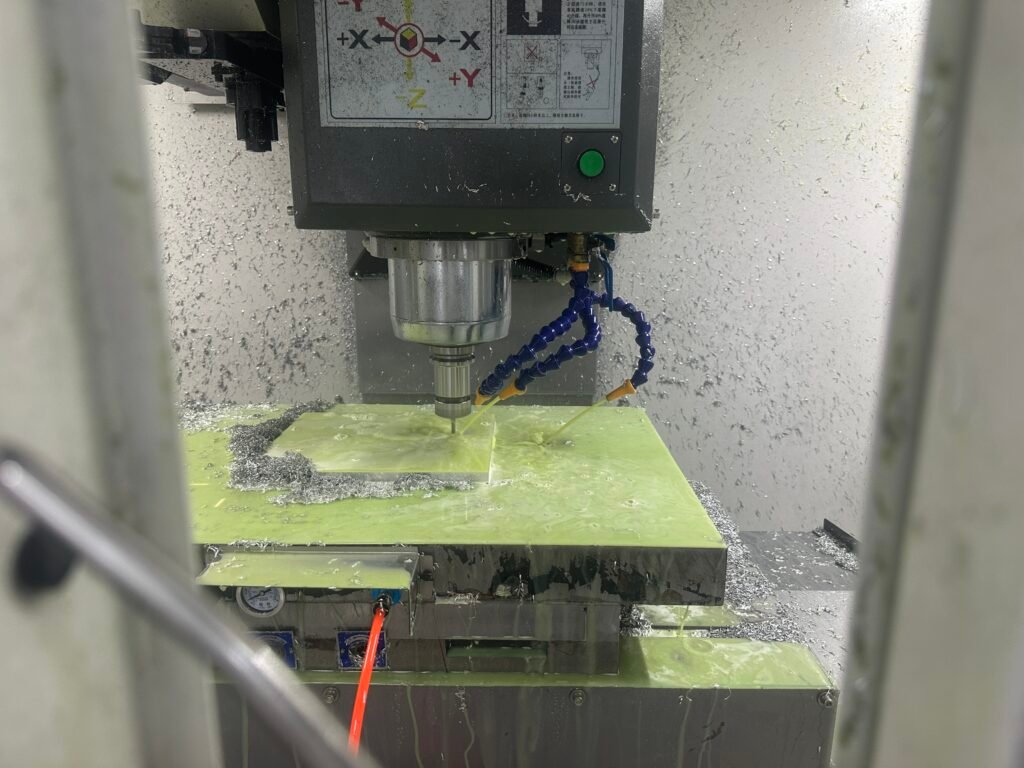
Our CNC machining capability covers prototype production, low-volume manufacturing, and batch production.
During machining, we control important factors including:
- Tool selection
- Cutting parameters
- Workholding method
- Machine condition
- Operator inspection
Precision machining is not only determined by the CNC machine itself.
A stable process, experienced technicians, and proper inspection methods are equally important.
In-Process Inspection During Production
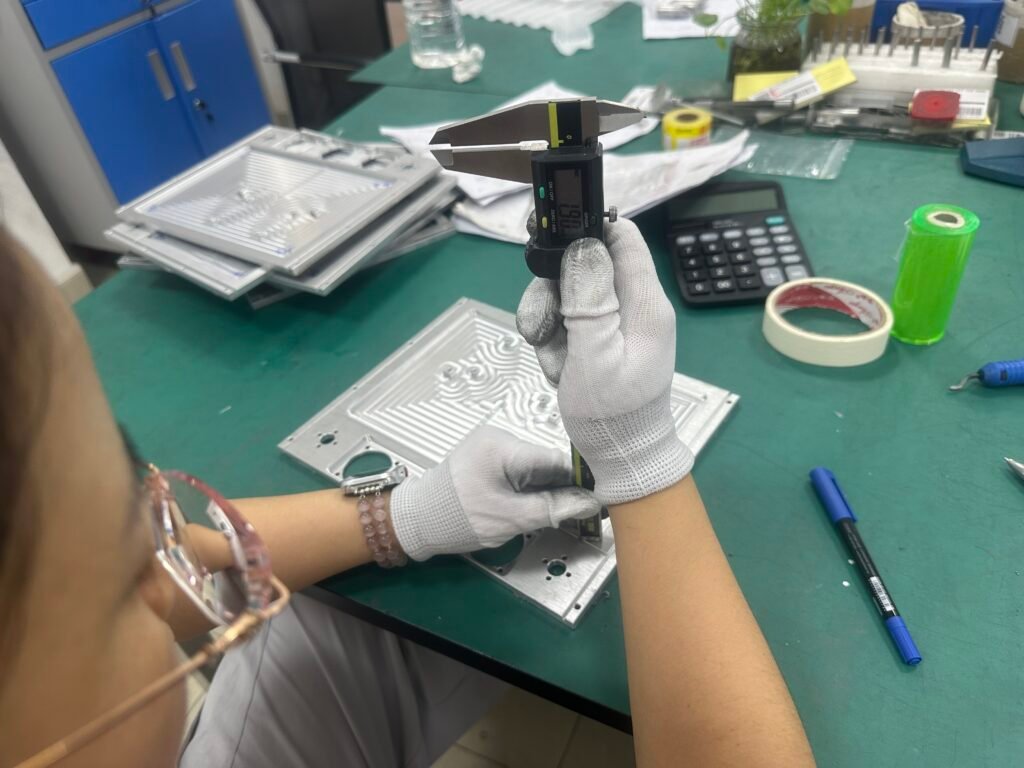
Quality inspection does not only happen after production is finished.
During machining, critical dimensions are checked to identify potential problems early.
This helps prevent:
- Incorrect dimensions
- Tool wear problems
- Process deviation
- Large quantities of defective parts
By monitoring important dimensions during production, we can maintain consistent quality throughout the manufacturing process.
CMM Inspection for Precision Verification
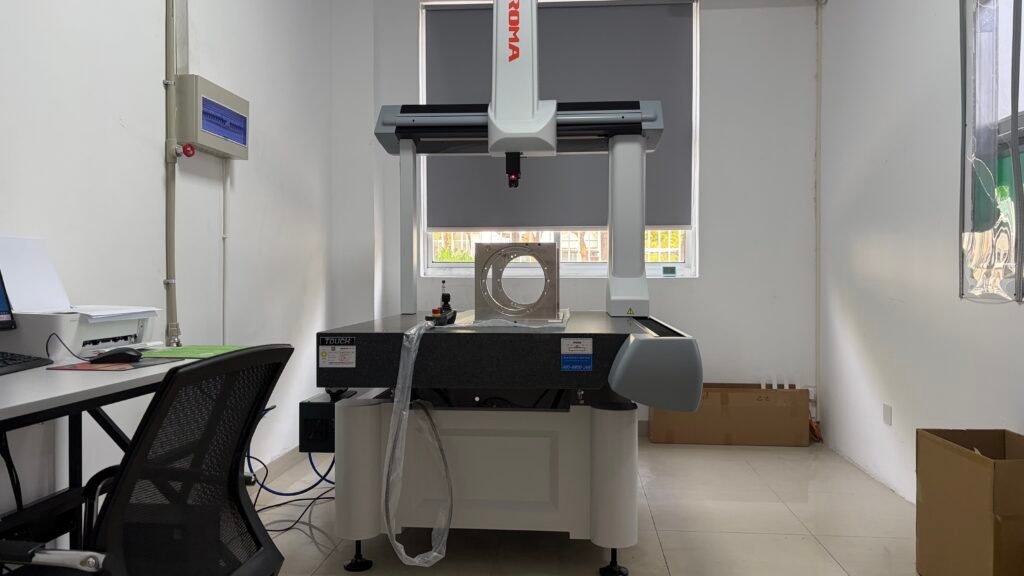
For precision components with strict tolerance requirements, coordinate measuring machines (CMM) provide accurate dimensional verification.
CMM inspection allows us to measure:
- Hole position
- Flatness
- Parallelism
- Profile accuracy
- Complex geometric features
The inspection data helps confirm that machined parts match customer drawings and engineering requirements.
A professional CNC supplier should not only manufacture parts but also provide reliable measurement evidence. CMM inspection and first article inspection are common methods used to verify CNC production quality.
Handling Non-Conforming Parts: Continuous Improvement
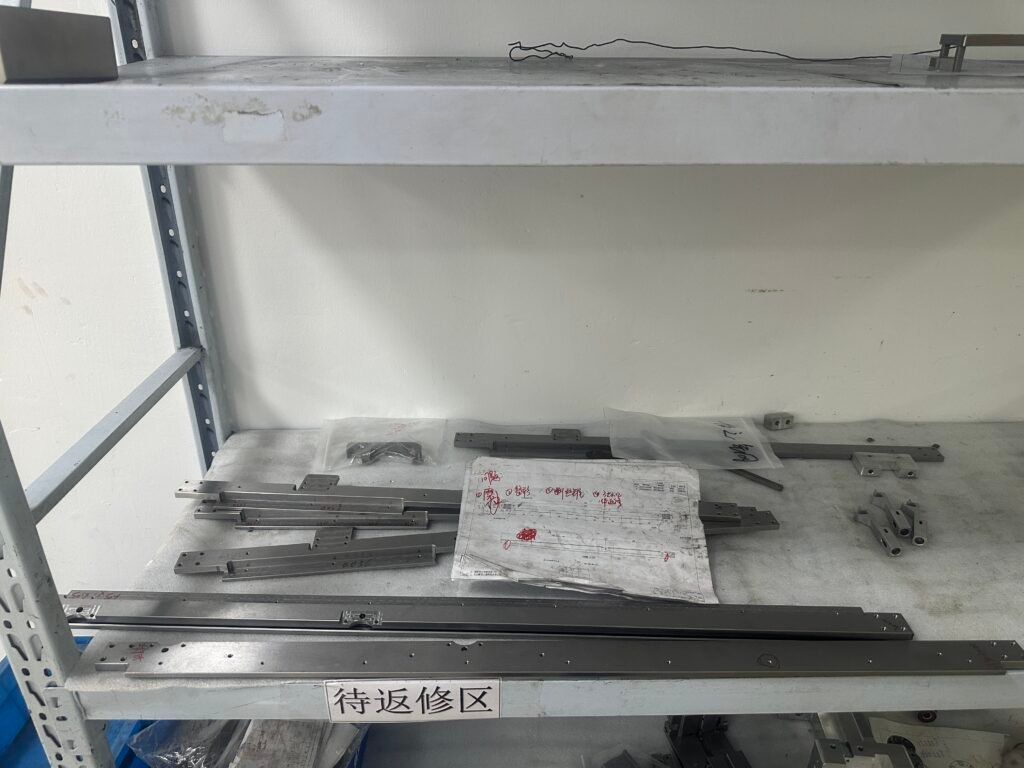
In CNC machining, unexpected issues can happen due to:
- Tool wear
- Programming mistakes
- Material variation
- Human error
A professional manufacturer does not hide problems.
When a non-conforming part is identified, we follow a controlled process:
- Separate and identify defective parts
- Analyze the root cause
- Determine whether repair or re-machining is possible
- Implement corrective actions to prevent recurrence
Quality improvement comes from solving problems, not ignoring them.
Final Inspection Before Shipment
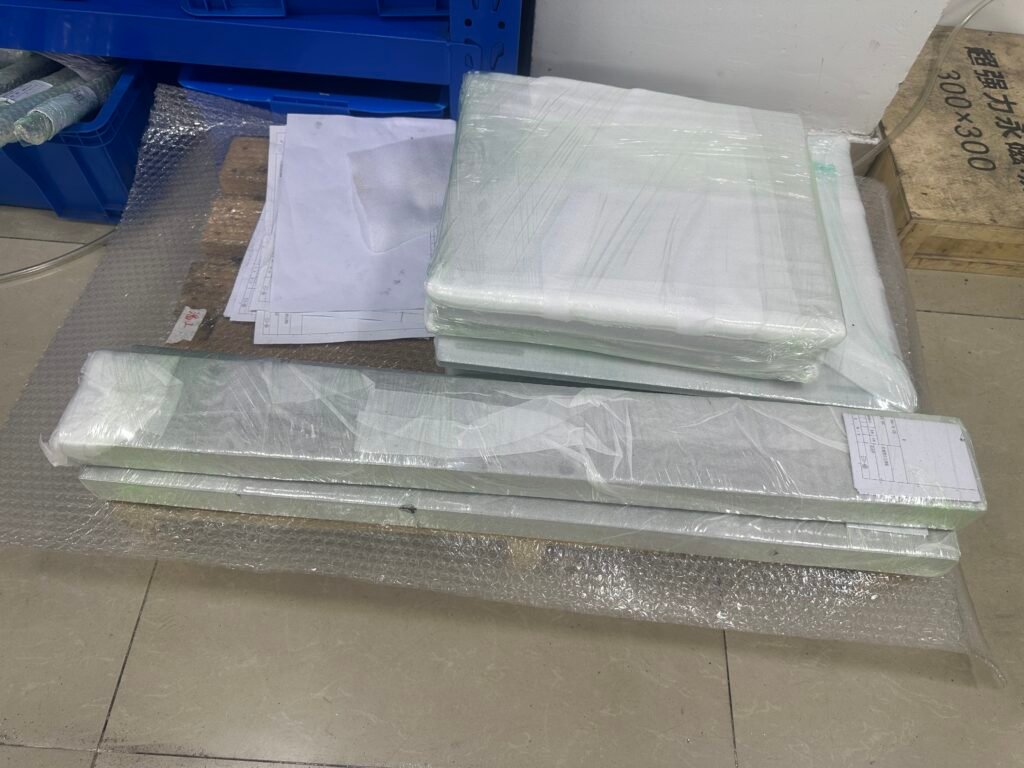
Before shipment, finished parts receive final verification.
The final inspection includes:
- Appearance check
- Quantity confirmation
- Dimensional verification according to requirements
- Packaging protection
Our goal is to make sure every shipment arrives ready for customer assembly and production.